


Dubai Property Guide · Updated for 2026
A Clear 2026 Off-Plan Property Guide for Buyers and Investors in Dubai
Off-plan property lets you buy a Dubai home before construction is complete. Buyers often gain earlier pricing, staged payments, and access to new communities.
The right decision depends on the developer, contract, location, total cost, payment structure, and exit plan—not launch-day excitement.
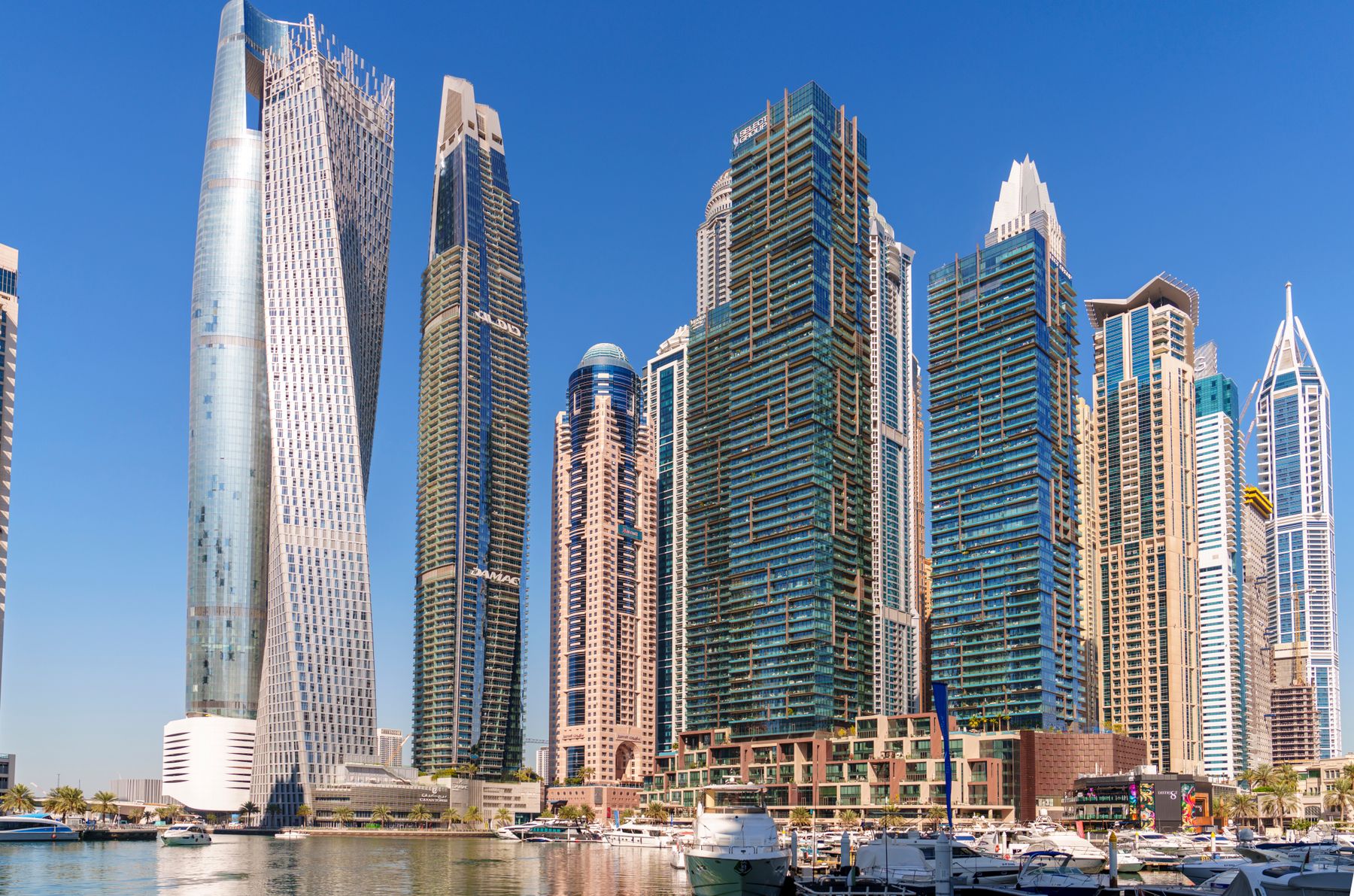
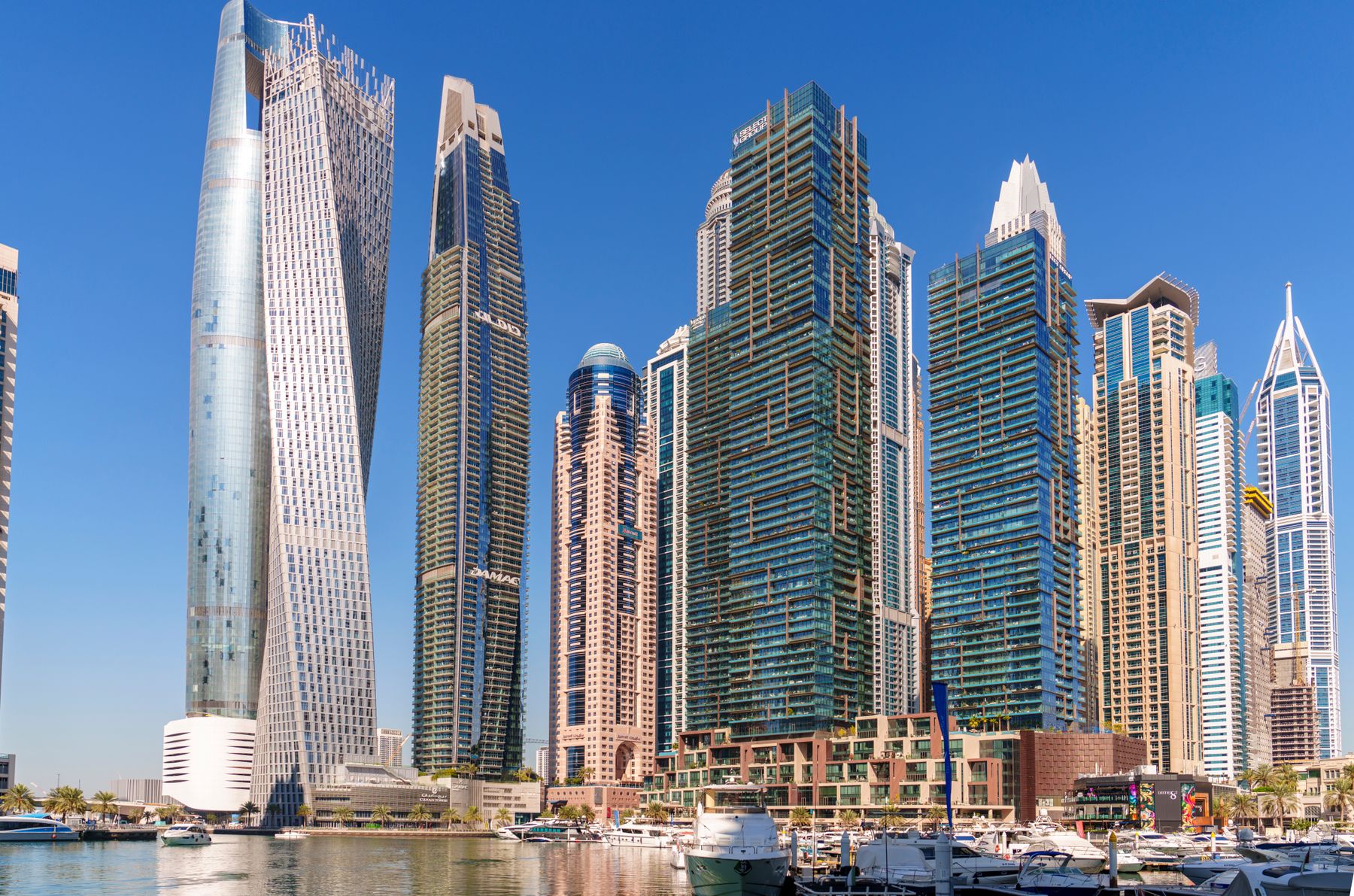
Editorial image: Dubai Marina. Photo by Yassen Kounchev via Pexels.
Off-plan property in Dubai is real estate purchased before construction is complete. You choose a unit from approved plans, specifications, a model home, or developer sales material.
You then sign a Sale and Purchase Agreement, follow the agreed payment schedule, and receive the property at handover. Dubai regulates these sales through DLD and RERA oversight, project registration, Oqood provisional registration, and project-specific escrow accounts.
Understanding Dubai Real Estate Market Trends in 2026
Dubai entered 2026 with high transaction value, strong international participation, and continued off-plan demand.
Price and rental growth are also becoming more measured. Buyers therefore have more reason to compare projects carefully instead of treating every launch as an automatic growth opportunity.
AED 252B
Total Dubai real estate transaction value in Q1 2026, up 31% year over year.
60,303
Real estate transactions recorded in Q1 2026, according to Dubai Land Department.
AED 137B
Value of more than 45,000 Dubai residential deals in Q1 2026; off-plan sales were a major driver.
AED 148.35B
Foreign investment value reported by DLD for Q1 2026, a 26% annual increase.
What the 2026 trend means for buyers
- Compare the launch price with ready and near-ready homes in the same micro-market.
- Prefer projects with a clear end-user or tenant audience at handover.
- Use conservative appreciation and rental assumptions when testing the deal.
Sources: Dubai Land Department Q1 2026 market update and CBRE UAE Real Estate Market Review Q1 2026.
What Does Off-Plan Property Mean in Dubai?
An off-plan property is a home, hotel residence, villa, townhouse, or commercial unit sold before construction is finished.
Sales may open before building work starts or while construction is already under way.
Unlike a ready-property purchase, the buyer cannot inspect the completed unit.
The decision rests on approved plans, layout, specifications, model units, views, the community plan, the developer’s record, and the delivery terms written into the contract.
Escrow account
A project-specific bank account used for buyer funds and project financing. DLD states that amounts received from off-plan buyers must be deposited into the project escrow account.
Oqood registration
The provisional registration that records an off-plan sale before the final title deed is issued.
Handover
The stage when the property is complete, final obligations are settled, inspection is carried out, and possession is transferred.
The trade-off is straightforward. You may enter earlier and spread payments over time, but you accept construction, market, and delivery risk until the property is complete.
Off-plan, primary, ready, and secondary: the difference
| Term | What it means | Practical example |
|---|---|---|
| Primary property | A unit purchased directly from the developer. | A launch-stage apartment or a newly completed developer-owned home. |
| Off-plan property | A property sold before construction is complete. It is usually a primary sale. | A waterfront apartment reserved two years before scheduled handover. |
| Ready property | A completed property that can normally be inspected and occupied. | A vacant villa with a title deed and immediate handover. |
| Secondary property | A resale purchased from an existing owner rather than the developer. | A tenanted apartment sold by its current investor. An assigned off-plan unit may also be a secondary sale before handover. |
The categories overlap. “Primary” describes who sells the property; “off-plan” and “ready” describe construction status; “secondary” describes a resale.
What can buyers customize in an off-plan property?
Customization depends on the project, construction stage, unit type, and developer policy. Common options may include a light or dark finish palette, flooring, kitchen fronts, wardrobe finishes, sanitaryware packages, smart-home upgrades, furniture packages, or limited room-use choices.
- Ask for the approved option schedule, upgrade price, decision deadline, and sample board.
- Put every agreed change in the SPA, specification schedule, or signed addendum.
- Do not assume structural changes, unit merging, plumbing moves, or façade changes are permitted.
- Treat a verbal sales promise as unconfirmed until the developer records it in writing.

How to Buy Off-Plan Property in Dubai
A disciplined process prevents a launch-day decision from overruling your budget. It also keeps the property aligned with your timeline and resale strategy.
01 · Define the outcome
Decide whether the property is for personal use, long-term rent, holiday letting, capital growth, family relocation, or portfolio diversification. The right project for rental income may not be the right home for an end-user.
02 · Set a complete budget
Budget beyond the headline price. Include registration, administration, broker or conveyancing costs where applicable, mortgage costs, furnishing, service-charge deposits, and a cash buffer for installment timing.
03 · Shortlist the location and product
Study supply, road access, schools, business districts, beach or waterfront access, future infrastructure, likely tenant profile, unit efficiency, floor, orientation, and view protection.
04 · Verify the project and developer
Confirm that the developer is licensed and the project is registered. Verify the escrow account and marketing permit. Track construction through official DLD channels, including Dubai REST and the Project Status service.
05 · Select the unit and reserve it
Compare the actual unit plan—not only the project brochure. Confirm the internal area, balcony or terrace area, parking allocation, view, floor, payment dates, reservation terms, and whether the booking amount is refundable.
06 · Review and sign the SPA
The Sale and Purchase Agreement should identify the unit, total price, payment schedule, anticipated completion, and grace period. It should also cover default, permitted changes, resale, defects, and disputes. Obtain legal advice where needed.
07 · Complete provisional registration
The off-plan sale is registered in the provisional register through Oqood. DLD currently lists a 2% seller fee and a 2% purchaser fee, plus small statutory charges.
In practice, the SPA or booking form may allocate the full 4% to the buyer. Check the written terms before paying.
08 · Track construction and prepare for handover
Keep every receipt and notice. Monitor progress, plan the final payment or finance, arrange snagging, review service charges, and decide early whether you will occupy, lease, or sell the property.
How to evaluate a Dubai developer before you reserve
| Check | Questions to ask | Evidence to review |
|---|---|---|
| Delivery record | How many comparable projects were completed, and how close were they to the contracted timeline? | DLD project status, completion certificates, dated construction updates, and completed communities. |
| Build quality | How have finishes, waterproofing, lifts, common areas, and defect handling performed after handover? | Independent snagging feedback, resident experience, building-management records, and visits to prior projects. |
| Financial and delivery capacity | Is the contractor appointed? Is work visible? Are project milestones and funding controls clear? | Project registration, escrow details, contractor information, site activity, and official progress reporting. |
| Contract transparency | Are the area, specifications, completion date, grace period, variation rights, assignment rules, and remedies clear? | Reservation form, SPA, floor plan, specification schedule, service-charge estimate, and addenda. |
| After-sales service | How quickly are statements, NOCs, owner queries, snagging issues, and handover matters handled? | Owner portals, response standards, handover process, warranty procedures, and buyer feedback. |
| Pricing discipline | Does the launch price make sense against ready stock, later phases, competing supply, and realistic rent? | DLD transactions, current listings, rental comparables, service charges, and competing project pipelines. |
Before you reserve
Compare the unit, developer, payment plan, ready-market value, and exit rules side by side.
Developer and Master-Community Examples to Research in 2026
A recognizable name is not a substitute for project-level due diligence. The examples below show different product and location strategies in Dubai; they are research starting points, not blanket recommendations.
Emaar Properties
Dubai Creek Harbour and Emaar Beachfront
These master communities illustrate two waterfront strategies: a large mixed-use creek destination and a gated beachfront address near Dubai Marina.
Review the exact tower, delivery stage, view protection, beach access, service charges, and competing future supply.
Nakheel
Palm Jebel Ali and Palm Central Private Residences
Palm Jebel Ali is a large-scale coastal destination. Nakheel released a further phase of Palm Central Private Residences in June 2026 after the initial apartment launch.
Assess infrastructure timing, construction progress, the unit’s exact island position, and the long holding period associated with a new master development.
Majid Al Futtaim
Tilal Al Ghaf
Tilal Al Ghaf is a villa-led, resort-style community with parks, a lagoon, walking and cycling routes, and a school within the master plan.
Compare neighbourhood completion, plot position, road access, villa specification, future community supply, and resale evidence by unit type.
Project-level rule: A developer may have an excellent overall record while one launch is overpriced, poorly positioned, or unsuitable for your strategy. Judge the specific unit and SPA, not only the brand.
How Off-Plan Payment Plans Work
There is no single standard payment plan. Developers may use date-based installments, construction-linked installments, a large handover payment, or post-handover installments. A lower booking amount does not automatically mean a better deal; the total price and timing matter more.
| Illustrative milestone | Payment | Cumulative paid |
|---|---|---|
| Reservation | 10% | 10% |
| SPA / early installment | 10% | 20% |
| During construction | 40% | 60% |
| Handover | 20% | 80% |
| Post-handover installments | 20% | 100% |
This example is for explanation only. Live payment plans vary by developer, project, unit, and launch phase.
Costs buyers should plan for
- Property price and installments: Confirm exact due dates, not just percentages.
- DLD registration: The provisional registration service divides the 4% sale-value fee between seller and purchaser, although contracts often allocate the total to the buyer.
- Administrative charges: Developer, trustee, knowledge, innovation, and document fees may apply.
- Finance costs: Valuation, arrangement, life insurance, registration, and interest costs if a mortgage is used.
- Handover costs: Final payment, service-charge deposit, connection charges, snagging, furnishing, and property management.
- Resale costs: Developer NOC or assignment fees, brokerage, and any outstanding installments.
How Dubai Protects Off-Plan Buyers
Dubai has a formal framework for off-plan development. Regulation reduces risk, but it does not remove the need for careful project selection and contract review.
How escrow and Oqood work together in practice
- The project is registered. The developer submits project documents and opens a dedicated escrow account for the development.
- Buyer money goes to the project account. Off-plan payments should follow the SPA and approved payment instructions. The escrow account is in the project’s name and is intended for that project’s development purposes.
- The sale enters the provisional register. Oqood records the off-plan unit and purchaser before the final title deed exists. Ask for evidence that registration has been completed.
- Progress and disbursement are monitored. The escrow agent provides account information to DLD, while official project-status tools allow buyers to check completion data, project details, and escrow information.
- Final ownership follows completion. After completion, settlement, and transfer procedures, the buyer receives the final title record for the completed property.
What these controls do not guarantee: a fixed handover date, a particular market value, unrestricted resale, or protection from a buyer’s own missed installments. Those issues depend heavily on the SPA and market conditions.
Project registration
Developers must register the project. DLD’s current conditions include approved plans, project documentation, and a 30% guarantee through construction progress, bank guarantee, or cash deposit.
Dedicated escrow
Each project has its own escrow account. DLD says buyer payments and project financing are deposited there and disbursements are tied to approved project purposes and construction stages.
Provisional sale record
The sale is recorded before final title issuance, creating an official registration trail for the unit and buyer.
Progress visibility
DLD’s Dubai REST and project-status tools can show information such as completion percentage, actual project images, escrow details, and payment information.
Defect retention
DLD’s escrow guidance explains that 5% is retained for one year after project completion to support the correction of qualifying defects.
Contractual remedies
The SPA governs delays, default, termination, changes, and dispute rights. The exact remedy depends on the contract, project status, and applicable law.
Important: Escrow protection is not a guarantee that a project will finish on the original date or that the property will rise in value. It is a control over project funds and development procedures, not investment insurance.
Can Foreigners Buy Off-Plan Property in Dubai?
Yes. Non-UAE nationals can own property in Dubai’s designated freehold areas. The UAE Government’s official portal confirms that both non-resident foreigners and expatriate residents may purchase in designated freehold locations.
Many overseas buyers complete reservation, compliance checks, document signing, and installments remotely. A UAE residence visa is not normally required to buy in a freehold area. The transaction still remains subject to identification, source-of-funds, sanctions, and anti-money-laundering checks.
Typical documents for an individual buyer
- Valid passport copy
- Emirates ID for UAE residents
- Proof of residential address
- Source-of-funds or bank documentation when requested
- Signed reservation form and SPA
- Power of Attorney if a representative will act for the buyer
Does buying off-plan property qualify for a Dubai Golden Visa?
Property ownership and residence eligibility are separate. Dubai Land Department’s current investor service states that a real estate investor owning property with a purchase value of at least AED 2 million may apply for a renewable 10-year Golden Visa. For a mortgaged property, DLD requests a bank letter showing an AED 2 million paid amount.
Do not assume that a reservation form, advertised purchase price, or partly paid off-plan unit automatically qualifies. Registration status, ownership evidence, paid amount, mortgage documentation, and current immigration procedures can affect the application. Confirm eligibility with DLD and the relevant immigration authority before making a purchase that depends on a visa outcome.
Currency risk for international buyers
The UAE dirham is pegged to the US dollar. That limits AED-USD movement, but investors earning in pounds, euros, rupees, or another currency still face exchange-rate risk on every installment and when rental income or sale proceeds are converted home.
- Model installments using a weaker home-currency rate, not today’s rate alone.
- Keep an AED or USD buffer before large scheduled payments.
- Avoid depending on a last-minute currency transfer to meet an SPA deadline.
- For large exposures, ask a regulated bank or currency specialist whether staged conversions or suitable hedging tools are appropriate.
Tax and Ownership Costs Off-Plan Investors Should Understand
Dubai is often described as tax-friendly, but “tax-free property” is too broad. The correct treatment depends on the property type, owner, activity, legal structure, and the investor’s tax residence.
Individual income and corporate tax
The UAE Government states that the UAE does not levy income tax on individuals. The Federal Tax Authority also lists real estate investment income as outside a natural person’s business activity for corporate-tax purposes when the property is held as a personal investment rather than through a licensed commercial business.
VAT differs by property type
FTA guidance says supplies of residential property are generally exempt from VAT, while a qualifying first supply within three years of completion is zero-rated. Commercial-property sales and leases are generally subject to 5% VAT.
Costs still apply
Registration charges, developer and trustee fees, mortgage costs, service charges, utilities, furnishing, insurance, management, and resale expenses can materially reduce net returns.
Home-country tax may remain
A non-resident investor may still owe tax or reporting in the country where they are tax resident. Company ownership, frequent trading, holiday-home operations, inheritance planning, and cross-border financing can also change the analysis.
Before signing: ask a UAE-qualified tax adviser and an adviser in your home jurisdiction to confirm the treatment for your ownership structure and intended use.
Benefits of Buying Off-Plan Property in Dubai
Off-plan adds two clear benefits to a Dubai property purchase: access to newly released inventory and the ability to spread payments across the development period.
In the luxury segment, early buyers may secure limited layouts, preferred floors, or protected views. They may also access branded and serviced concepts before those units reach the resale market.
Earlier access
Launch buyers usually see the widest choice of floor plans, floors, views, and orientations before premium units are absorbed.
Staged cash flow
Installments can reduce the amount of capital required on day one compared with paying for a completed property.
Potential appreciation
A well-bought unit may gain value as construction advances, the community matures, and delivery risk falls. Appreciation is possible, not guaranteed.
Modern product
New properties may offer current layouts, energy systems, amenities, smart-home features, and lower near-term maintenance needs.
Developer incentives
Launches may include fee support, payment flexibility, furnishing, or service-charge offers. Compare the incentive with the underlying price.
Remote buying
International purchasers can often complete the process without being in Dubai for every step, provided compliance and documentation are complete.
Risks of Buying Off-Plan Property—and How to Reduce Them
The strongest off-plan decision is not the project with the most impressive launch. It is the one where the risk is visible, priced appropriately, and aligned with your holding period.
| Risk | Why it matters | Practical control |
|---|---|---|
| Delay | Your move, rental income, or resale date may shift. | Review delivery history, construction status, SPA grace period, and your cash buffer. |
| Market correction | The completed property may be worth less than expected. | Avoid relying on aggressive appreciation assumptions; buy for a longer hold and compare ready-market values. |
| Oversupply | Too many similar units can pressure rent and resale liquidity. | Study competing pipeline, unit mix, tenant demand, and genuine location scarcity. |
| Specification changes | The delivered product may differ from the marketing impression. | Rely on contractual specifications and approved plans, not renders alone. |
| Resale restrictions | You may not be able to assign the unit whenever you choose. | Confirm the minimum paid percentage, NOC process, transfer fee, and eligibility rules. |
| Financing gap | Mortgage availability or valuation may not match your final payment need. | Discuss finance early, stress-test rates, and maintain backup funds. |
| Service-charge drag | High recurring costs can reduce net yield. | Estimate service charges from comparable completed buildings and evaluate amenity intensity. |
| Currency movement | A weaker home currency can raise the real cost of future AED installments. | Stress-test exchange rates, pre-fund major payments, and keep an AED/USD reserve. |
| Regional or global shock | Conflict, travel disruption, global rates, liquidity changes, or capital controls can affect demand and financing. | Use a longer holding period, avoid excessive leverage, keep liquidity, and select locations with real resident and tenant demand. |
| Visa or tax assumption | The purchase may not produce the expected residency or tax outcome. | Obtain written professional advice and official confirmation before relying on a visa or tax benefit. |
A four-stage off-plan risk-management plan
Before reservation
Verify the project, escrow, developer, unit, comparable price, total cost, currency exposure, and purpose of the purchase.
Before SPA signing
Review completion and grace dates, variation clauses, assignment rules, defaults, refunds, defects, dispute terms, and every written specification.
During construction
Keep receipts, monitor official progress, retain installment liquidity, track market supply, and record developer communications.
Before handover or resale
Arrange finance early, budget fees, commission snagging, verify completion documents, and test the actual rent or resale market.
Off-Plan vs Ready Property in Dubai
| Decision factor | Off-plan property | Ready property |
|---|---|---|
| Inspection | Plans, show unit, specifications, construction updates | Physical property can be inspected |
| Payment | Usually staged over construction | Full cash or mortgage completion |
| Income | No rent until handover | Can produce rent after completion |
| Execution risk | Construction and delivery risk | Lower construction risk; condition risk remains |
| Unit choice | Wide choice at early launch stages | Limited to current resale stock |
| Best suited to | Buyers who can wait and accept project risk | Buyers needing immediate use or income |
Choose off-plan when the project, developer, entry price, and payment schedule justify the wait. Choose ready when certainty, immediate occupation, or current rental income carries more value than launch-stage pricing.
How to compare long-term returns fairly
Do not compare an off-plan price gain with a ready property’s rental yield as if they cover the same period. Use one holding horizon and include every cash flow.
Net total return = change in property value + net rental income − registration, finance, service-charge, furnishing, vacancy, management, and exit costs.
| Return factor | Off-plan / primary launch | Ready / secondary purchase |
|---|---|---|
| Income timing | Usually no rent during construction. | Rental income may begin soon after transfer. |
| Value-growth driver | Launch pricing, construction de-risking, community progress, and market growth. | Existing rent, refurbishment, management improvement, scarcity, and broader market growth. |
| Capital timing | Cash is staged, but large construction or handover installments may concentrate risk. | More capital or mortgage completion is normally required at transfer. |
| Evidence available | Plans, specification, developer record, progress, and future market assumptions. | Physical inspection, actual service charges, rent history, building operation, and comparable resales. |
| Return risk | Delay, specification, oversupply, handover valuation, and assignment risk. | Condition, vacancy, tenant, maintenance, financing, and purchase-price risk. |
| Best comparison metric | Annualized return on actual cash invested, including the no-income construction period. | Annualized total return after net rent and all ownership costs. |
A lower off-plan entry price can improve return potential, but only when the completed value, time delay, risks, and total costs justify it.
Investment Strategies for Off-Plan Properties in Dubai
A payment plan is not an investment strategy. Start with the result you want, then choose a project that can support it.
Long-term capital growth
Target locations with lasting demand, limited competing land, reliable infrastructure, and layouts that will remain attractive after handover.
Best for: buyers with a five-year or longer horizon.
Rental income after handover
Prioritize tenant demand, efficient space, transport links, realistic service charges, and a handover date that matches your income plan.
Best for: investors building a future income asset.
Future personal use
Focus on daily life: room sizes, storage, schools, commute, parking, orientation, noise, and the community’s completion schedule.
Best for: relocation, second-home, and family buyers.
Pre-handover assignment
This higher-risk approach depends on developer transfer rules, sufficient buyer demand, price growth, fees, and the ability to hold if resale is slow.
Best for: experienced, well-capitalized investors.
Stress test the purchase. Would you remain comfortable if handover moved or finance became more expensive? Could you hold if rent was lower or resale took longer?
What Should Off-Plan Buyers Look for in 2026?
CBRE reported that off-plan transactions continued to dominate Dubai’s residential market in Q1 2026.
At the same time, annual sales-price growth slowed to about 9%, while rental growth eased to 4.1%. The market remains active, but entry price and project quality now require greater discipline.
- A defensible location: real connectivity, jobs, leisure demand, schools, waterfront, or limited competing land—not only a future map.
- A clear end-user audience: families, executives, high-net-worth residents, or a proven tenant group that will still want the property at handover.
- Efficient layouts: usable rooms, storage, sensible circulation, adequate parking, and a service-charge burden that matches the likely rent.
- Delivery evidence: previous completed projects, current construction activity, named contractors, and transparent progress reporting.
- Resale depth: realistic future buyers, not only investors trying to sell to other investors before handover.
- Price discipline: compare the off-plan price per square foot with ready and near-ready alternatives in the same micro-market.
Illustrative investor scenario
An overseas buyer has AED 3 million and plans to hold for five years. The buyer compares three projects by total price, ready-market value, service-charge assumptions, rental audience, handover timing, and resale rules.
The selected unit is not the cheapest. It offers a stronger floor plan, a more defensible view, less future competition, and clearer evidence of developer delivery.
That is the difference between buying a payment plan and buying an asset.
Off-Plan Due-Diligence Checklist
✓ Developer and project are licensed and registered
✓ Project escrow account is verified
✓ Marketing permit and project details match
✓ SPA is reviewed before irreversible payment
✓ Unit area, view, parking, and specifications are written
✓ Payment dates fit your actual cash flow
✓ Delay, default, cancellation, and change clauses are understood
✓ Assignment and resale conditions are confirmed
✓ Comparable ready-property values are checked
✓ Rental and service-charge assumptions are conservative
✓ Primary, off-plan, ready, and secondary comparables are correctly separated
✓ Developer delivery record and completed build quality are checked
✓ Customization promises are documented in writing
✓ Currency movement is stress-tested for all future installments
✓ Golden Visa eligibility is independently confirmed if relevant
✓ UAE and home-country tax treatment is reviewed
✓ The deal can survive delay, weaker rent, and no pre-handover resale
Are You Ready to Buy Off-Plan Property?
Tick each statement you can answer with confidence. Any unchecked point deserves attention before you reserve a unit.
A short project comparison can expose costs or risks that a launch brochure may not show.
Buy the Property, Not the Sales Pitch
Clients planning to invest in property in Dubai need more than a brochure. A capable real estate advisor should test each option against your budget, timeline, intended use, and exit plan.
Our team compares real alternatives, reviews the project and payment structure, coordinates the transaction, and helps you prepare for handover, leasing, or resale.
✓ Curated project and unit shortlist
✓ Price, payment, and ready-market comparison
✓ Remote support for international buyers
✓ Handover, leasing, and resale planning
Frequently Asked Questions
Is it safe to buy off-plan property in Dubai?
Dubai regulates off-plan sales through project registration, escrow accounts, provisional registration, and DLD/RERA oversight. These controls improve transparency and protection, but buyers must still assess the developer, SPA, construction status, location, price, and payment risk.
Can foreigners buy off-plan property in Dubai?
Yes. Foreigners and expatriate residents can buy property in designated freehold areas. A valid passport and standard compliance documents are normally required. Many purchases can be completed remotely.
How much deposit is needed for an off-plan property?
The amount varies. Some launches begin with a reservation amount followed by an early installment, while others require a larger initial percentage. Review the entire schedule, including registration and handover costs, rather than focusing only on the first payment.
Can I sell an off-plan property before handover?
Often yes, but the developer may require a minimum percentage of the price to be paid and may charge an NOC or assignment fee. The SPA and developer policy determine when and how a transfer can happen.
Can I get a mortgage for an off-plan property in Dubai?
Financing is available for eligible buyers and approved projects, but timing, loan-to-value, valuation, income requirements, and bank policy vary. Buyers should not assume a future mortgage will automatically cover the handover balance.
What happens if an off-plan project is delayed?
The outcome depends on the SPA, its grace period, construction status, and applicable DLD procedures. Buyers should keep payment records, monitor official project progress, and obtain legal advice before withholding payments or attempting termination.
Is off-plan property better than ready property?
Neither is universally better. Off-plan can suit buyers seeking staged payments, early selection, and a longer investment horizon. Ready property can suit buyers who value physical inspection, immediate occupation, or rental income.
Does an off-plan purchase automatically qualify for a Golden Visa?
No. DLD’s current property-investor service uses an AED 2 million property-value threshold and sets documentary requirements. Off-plan registration, paid amount, mortgage evidence, and current immigration procedures may affect eligibility. Confirm before relying on the purchase for residence.
What is the difference between off-plan, primary, and secondary property?
Primary means the developer is the seller. Off-plan means construction is incomplete. Secondary means an existing owner is reselling. Most launch-stage off-plan homes are primary, but an assigned off-plan unit may become a secondary transaction before completion.
What taxes apply to off-plan property in Dubai?
The UAE does not levy personal income tax on individuals, and residential VAT treatment differs from commercial property. Registration, service, finance, management, and transfer costs still apply. Foreign investors may also have tax and reporting duties in their home jurisdiction.
Can I customize an off-plan property?
Sometimes. Developers may offer finish palettes, fixtures, smart-home upgrades, or furniture packages. Structural changes are less common. Confirm the option, price, deadline, and exact specification in a signed document.
The Bottom Line
Off-plan property in Dubai can be a practical route into a new home or a long-term investment. The best opportunities combine a credible developer, registered project, sensible payment schedule, strong location, efficient unit, and realistic exit plan.
In 2026, Dubai still shows substantial transaction activity and international demand. Growth, however, is becoming more measured.
Compare before you commit. Read before you sign. Make sure the property still works without an aggressive appreciation forecast.
Sources and Further Reading
- Dubai Land Department: Q1 2026 real estate transactions
- CBRE: UAE Real Estate Market Review Q1 2026
- Dubai Land Department: Initial off-plan sale registration
- Dubai Land Department: Project registration and escrow requirements
- Dubai Land Department: Escrow account guidance
- UAE Government: Expatriates buying property in the UAE
- Dubai Land Department: Golden Visa application for property investors
- Federal Tax Authority: Corporate-tax basis for natural persons
- Federal Tax Authority: VAT treatment of real estate
- Central Bank of the UAE: UAE dirham and US-dollar peg
- Dubai Land Department: Project Status Enquiry
- Emaar: Emaar Beachfront master community
- Nakheel: Palm Central Private Residences
- Majid Al Futtaim: Tilal Al Ghaf
Disclaimer: This guide is general information, not legal, tax, mortgage, or investment advice. Fees, payment plans, availability, laws, project status, and developer terms may change. Obtain current professional advice and verify all transaction details before signing or transferring funds. Residency and tax outcomes depend on individual circumstances and official approval.